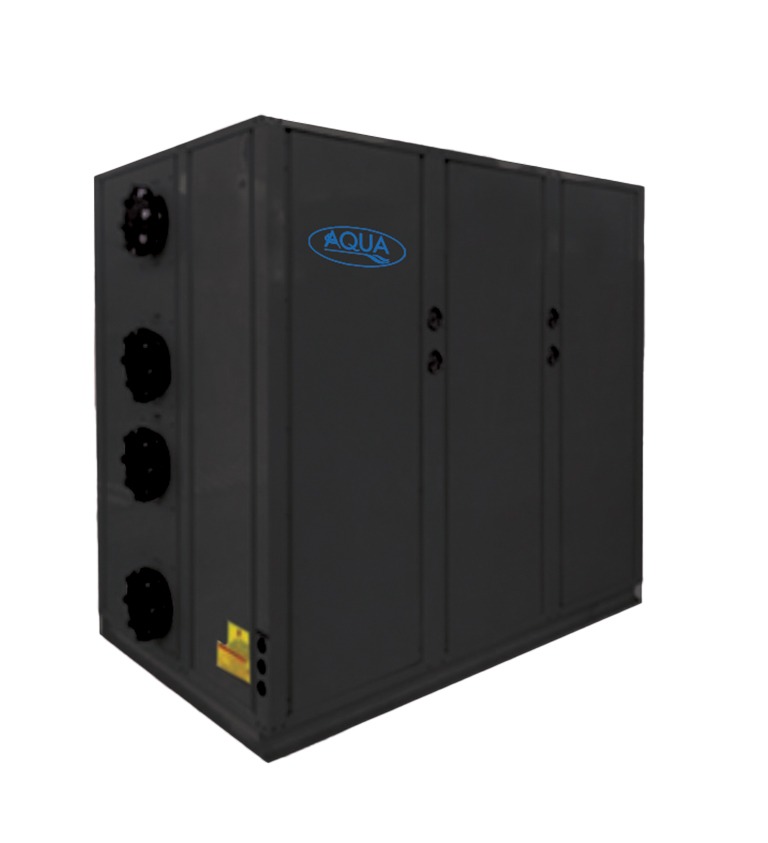
A heat pump keeps your home comfortable all year. But like any appliance, it won’t last forever. Knowing when it’s time for a replacement can save you from expensive repairs and keep your home cozy and efficient.
Here are the main signs that your heat pump might be on its last legs.
Consistently High Energy Bills
Have you noticed a steep rise in your energy bills despite keeping your thermostat settings the same? An aging or malfunctioning heat pump often loses efficiency, requiring more energy to heat or cool your home. If your energy expenses keep climbing and you’ve ruled out other causes, such as poor insulation, your heat pump may no longer be performing optimally.
Frequent Breakdowns and Repairs
Needing occasional repairs is normal, but if your heat pump seems to be breaking down every other month, it’s time to assess its overall condition. Constant repairs can add up in cost and may exceed the price of a replacement. A reliable system should provide consistent performance instead of leaving you worried about the next issue that might arise.
Uneven Heating or Cooling
When rooms in your home feel too cold in winter or too warm in summer, your heat pump may be struggling to distribute air effectively. Uneven temperatures are often a sign that the system isn’t functioning as it should. Instead of spending money on temporary fixes, consider investing in a new unit for better climate control.
Excessive Noise or Strange Sounds
A properly functioning heat pump typically operates quietly. However, if you begin to hear loud rattling, grinding, or squealing noises, it’s a red flag. These sounds can indicate worn-out components or other mechanical issues. While some problems can be repaired, recurring noise issues often suggest that the system is nearing the end of its lifespan.
Age of the Heat Pump
Most heat pumps are designed to last between 10 and 15 years, depending on how well they are maintained. If your system is approaching or has surpassed this range, it may be time to replace it.
Rising Humidity Levels
A heat pump controls temperature and helps manage indoor humidity. If you start noticing higher humidity levels or issues like mold and mildew, your heat pump may be struggling to regulate conditions properly. This is often a sign of wear and inefficiency.
By recognizing these signs early, you can avoid unexpected breakdowns and enjoy a more reliable heating and cooling system.